One controller. A growing family of plug-in I/O and sensing modules on a fail-safe Modbus backplane. Cloud-native monitoring, control and fleet firmware updates — built in from day one.
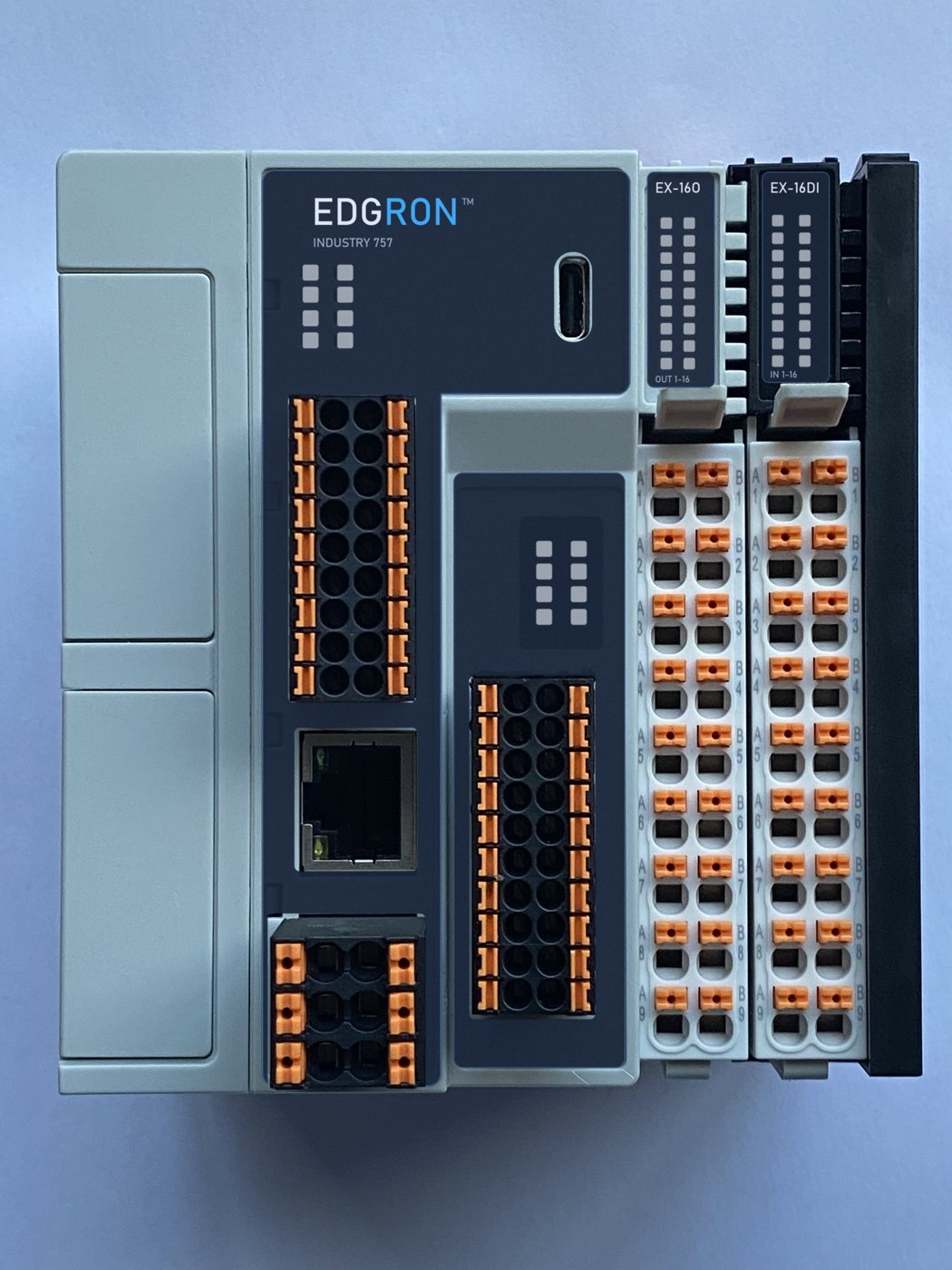
A dual-core industrial controller that is equally at home running field I/O, acting as a Modbus/CAN edge gateway, or streaming data to the cloud.
Every expansion module enters a defined safe state within 3 seconds of losing the bus. Outputs recover only under explicit host command — never by accident.
The backplane speaks plain Modbus RTU. Third-party tools can talk to every module directly — nothing proprietary between you and your I/O.
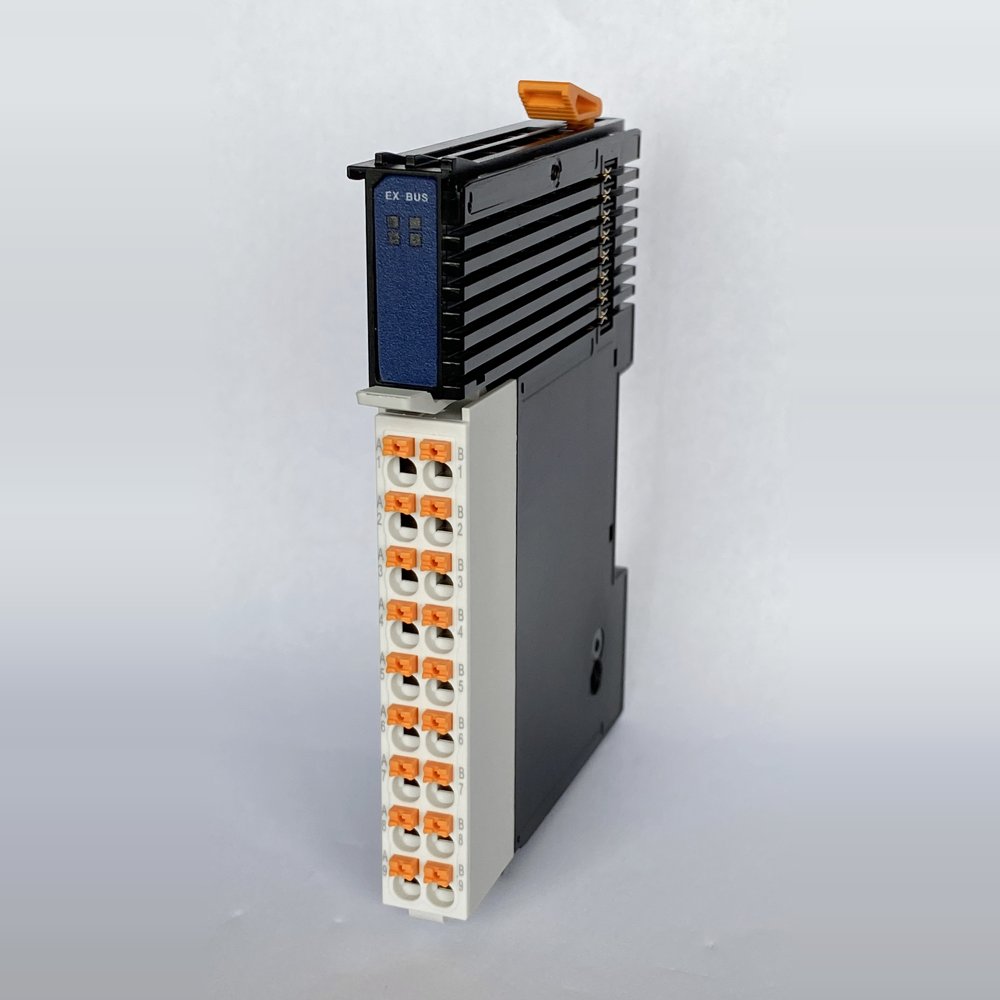
Snap-in blades or external DIN modules — same PCB, same protocol, addressable 1–16 on a single daisy-chained cable.
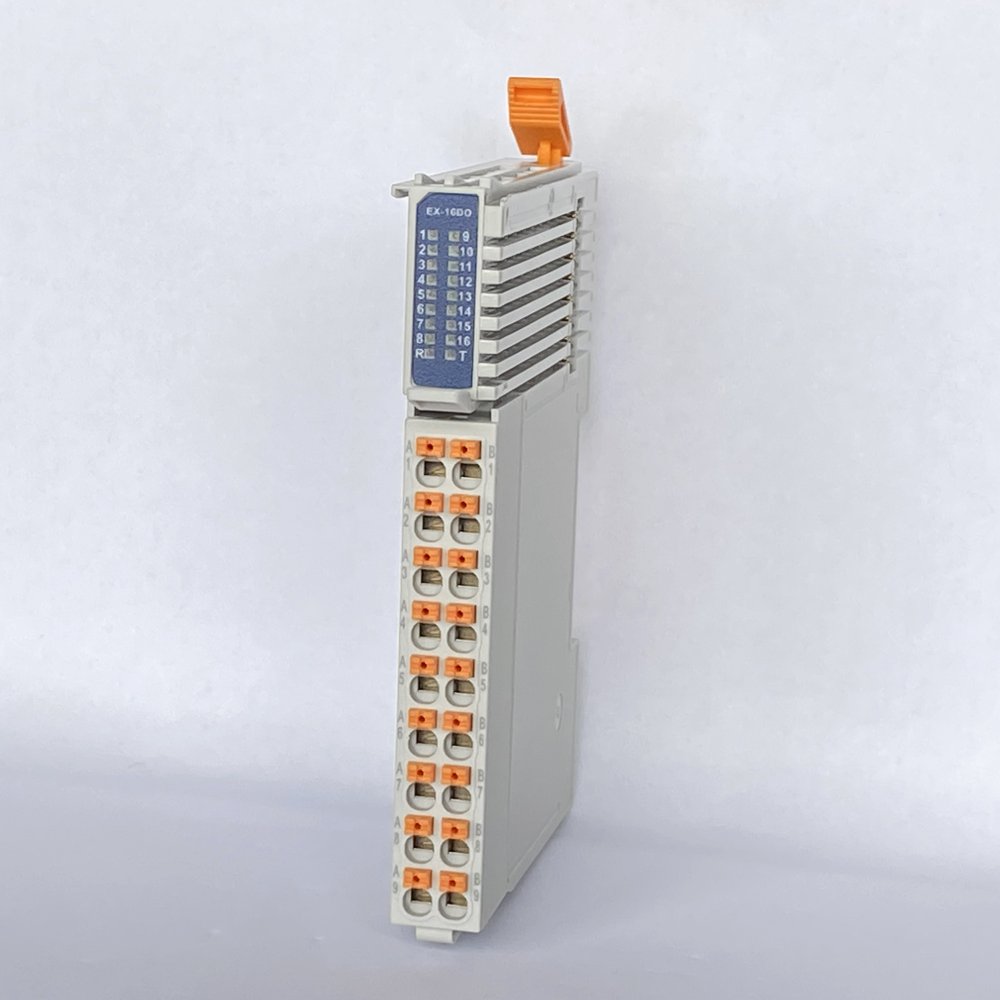
EX-16O
Solid-state PhotoMOS outputs with per-channel surge protection. Bus-loss safe state, wear-free switching.
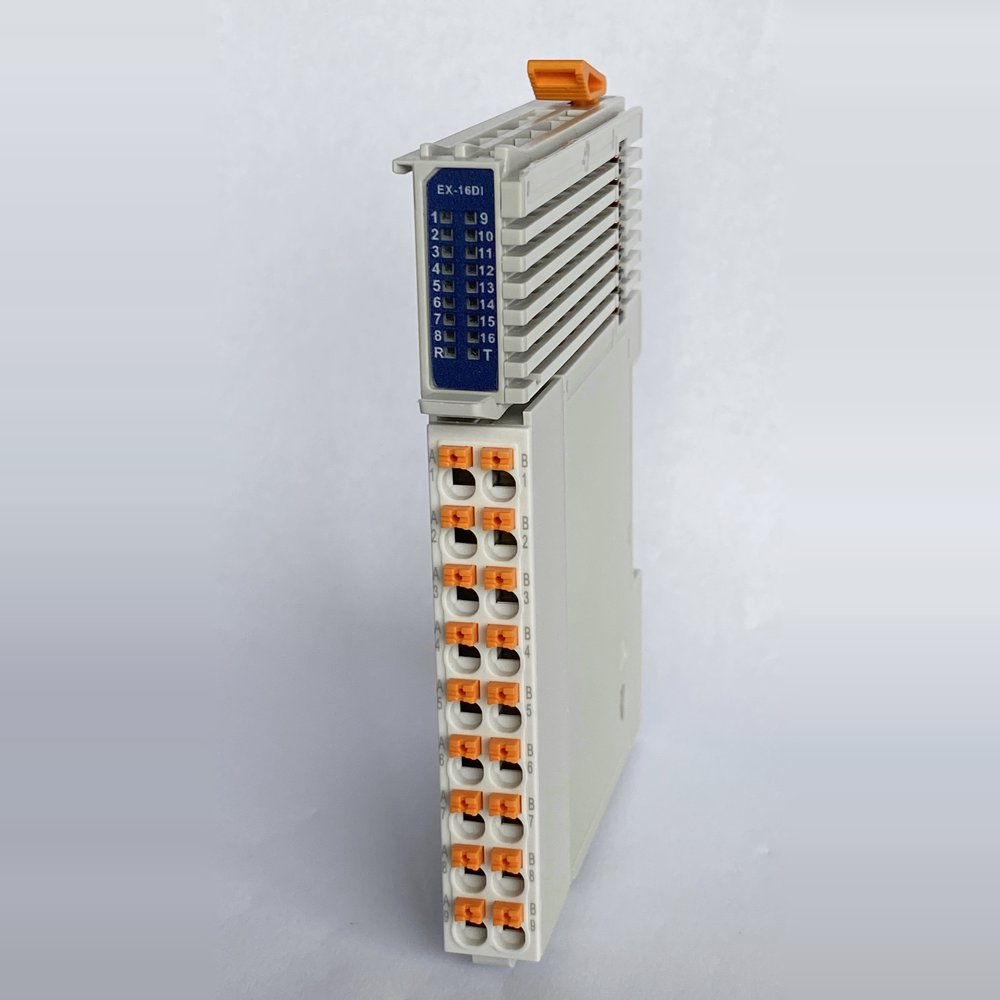
Constant-current isolated input front end — stable thresholds across the whole supply range, per-channel indication.
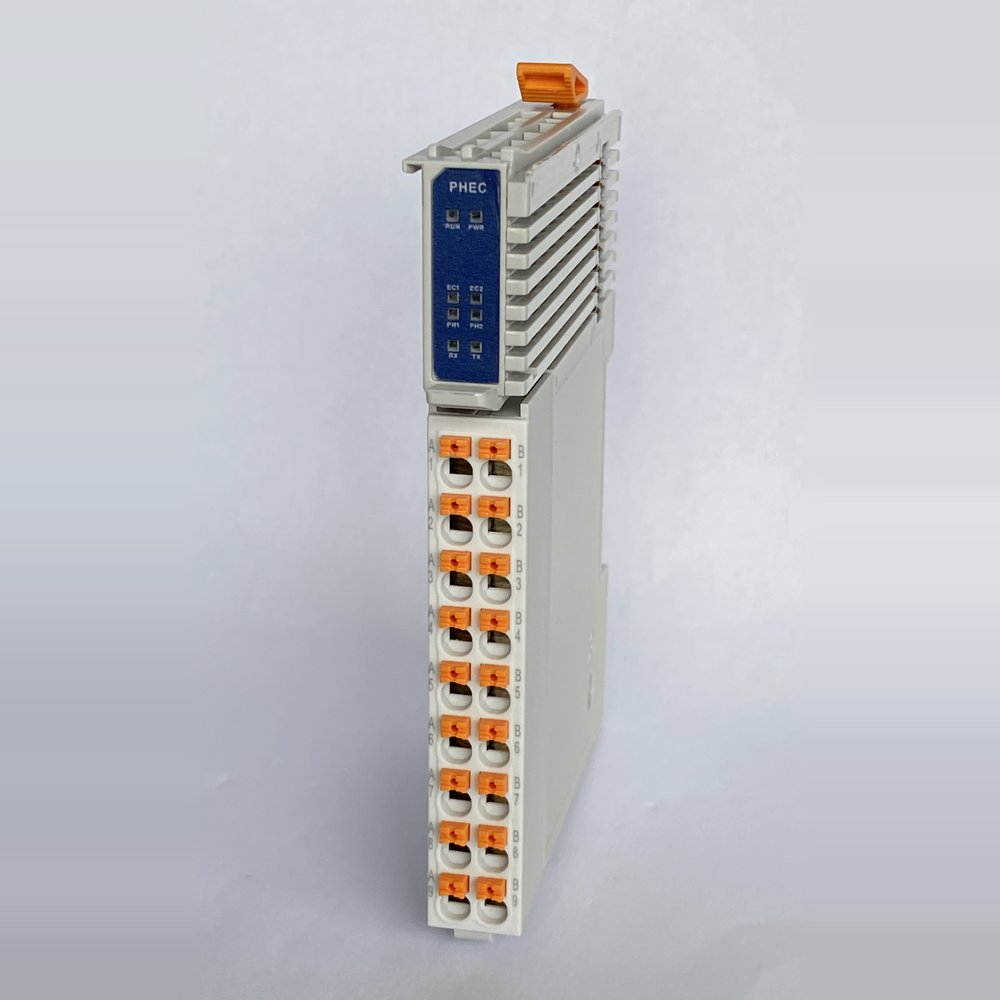
2× pH + 2× conductivity + 4× temperature on one module — populate one or both channels. Built for hydroponics and fertigation.
2/3/4-wire Kelvin RTD sensing for lab-grade temperature measurement, on the same backplane.
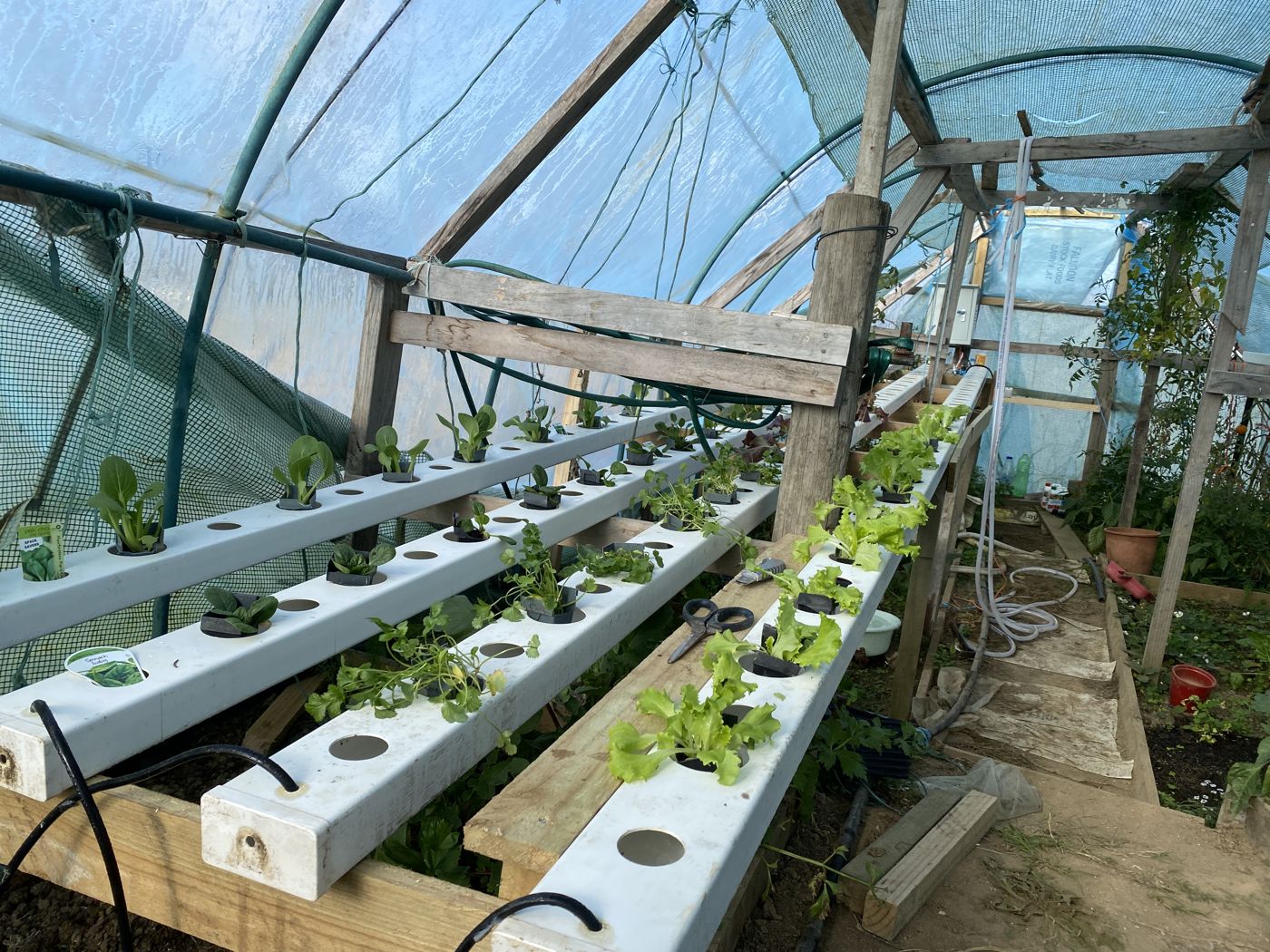
The platform grew up in irrigation: pH and EC sensing, dosing-pump sequencing, flow counting and valve control are first-class citizens — not an afterthought bolted onto a generic PLC.
pH, conductivity and temperature on the PH-EC module; pulse flow meters and quadrature sensors on the controller's high-speed inputs.
Dosing pumps, valves and mixers on EX-16O solid-state outputs — with a defined safe state when anything upstream fails, so a fault never keeps a pump running.
Recipes and interlocks run on the controller in C — your firmware, your rules. The cloud watches, logs and alerts; the site keeps running with or without it.
The same building blocks carry other serious jobs — access control with RS-485 readers and door hardware on isolated I/O is a natural fit.
Industrial hardware earns trust in the details. A few of ours, up close.
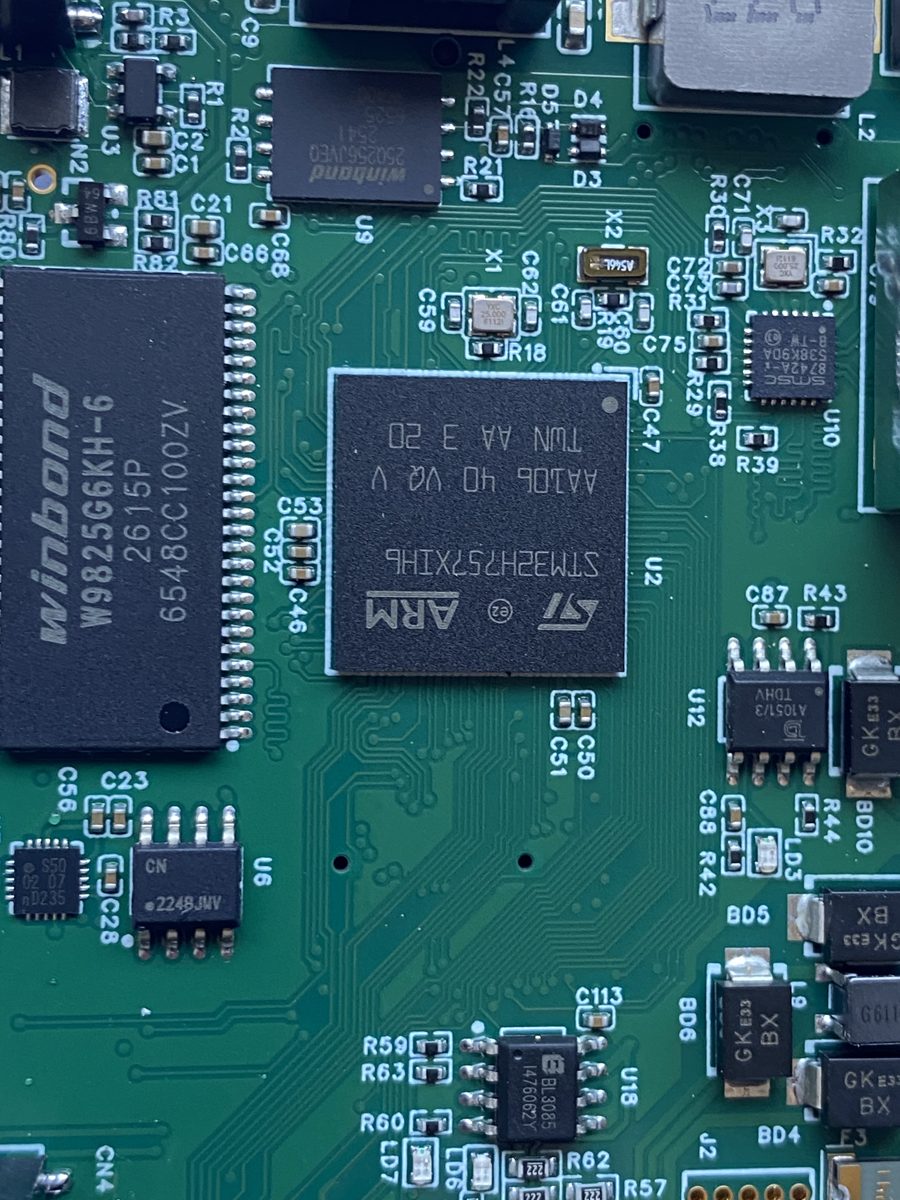
Dual-core Arm® MCU with external SDRAM and QSPI flash — headroom for real applications.
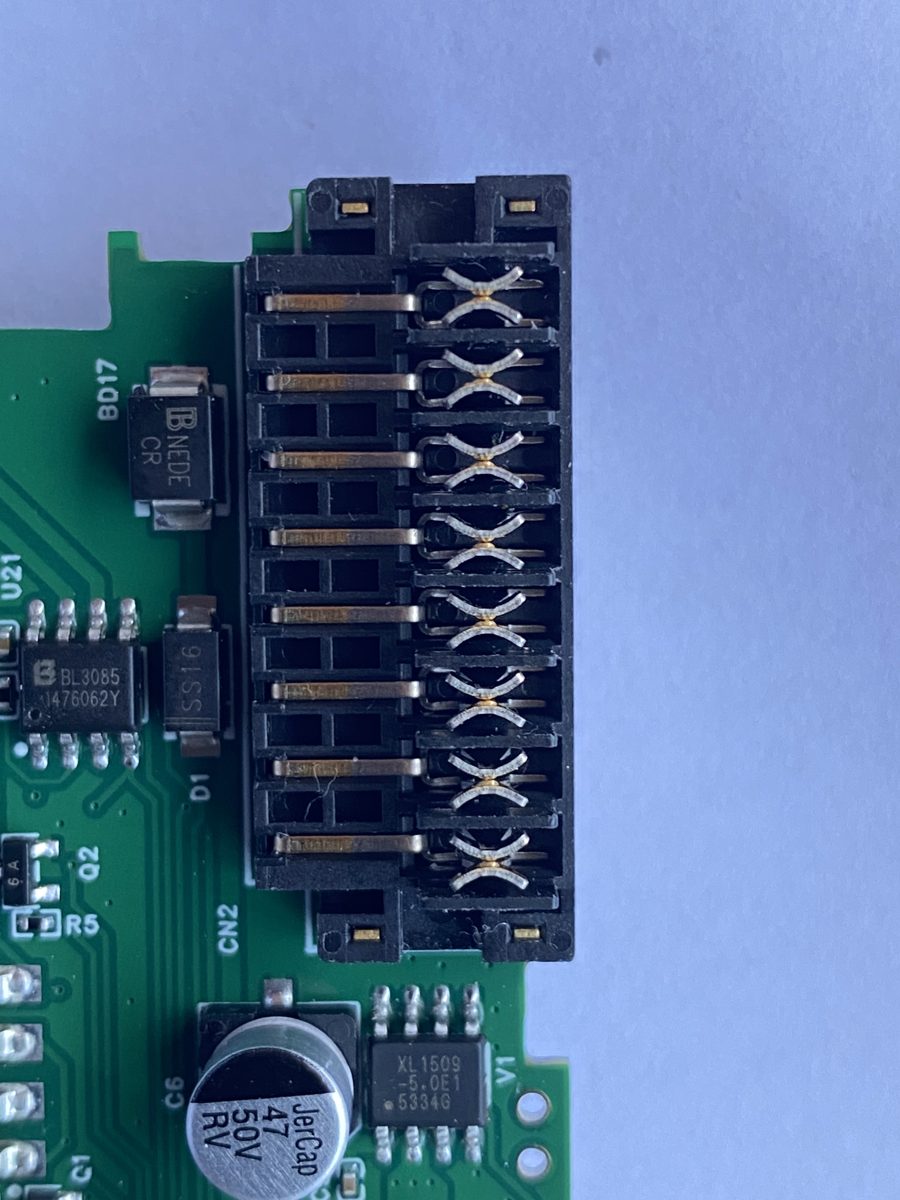
The expansion backplane: gold-plated pass-through contacts, one cable, sixteen addresses.
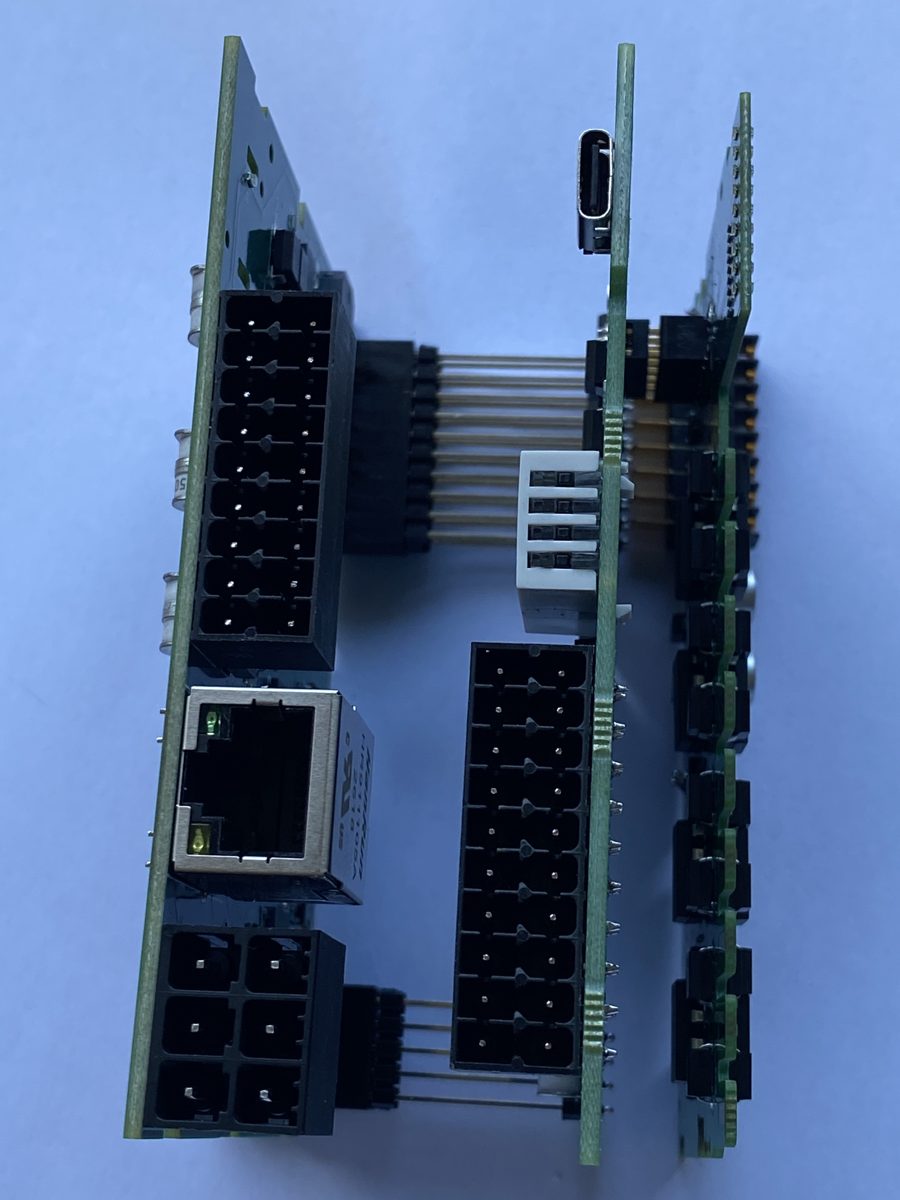
Controller and expansion boards mate through the enclosure — no ribbon cables, no adapters.
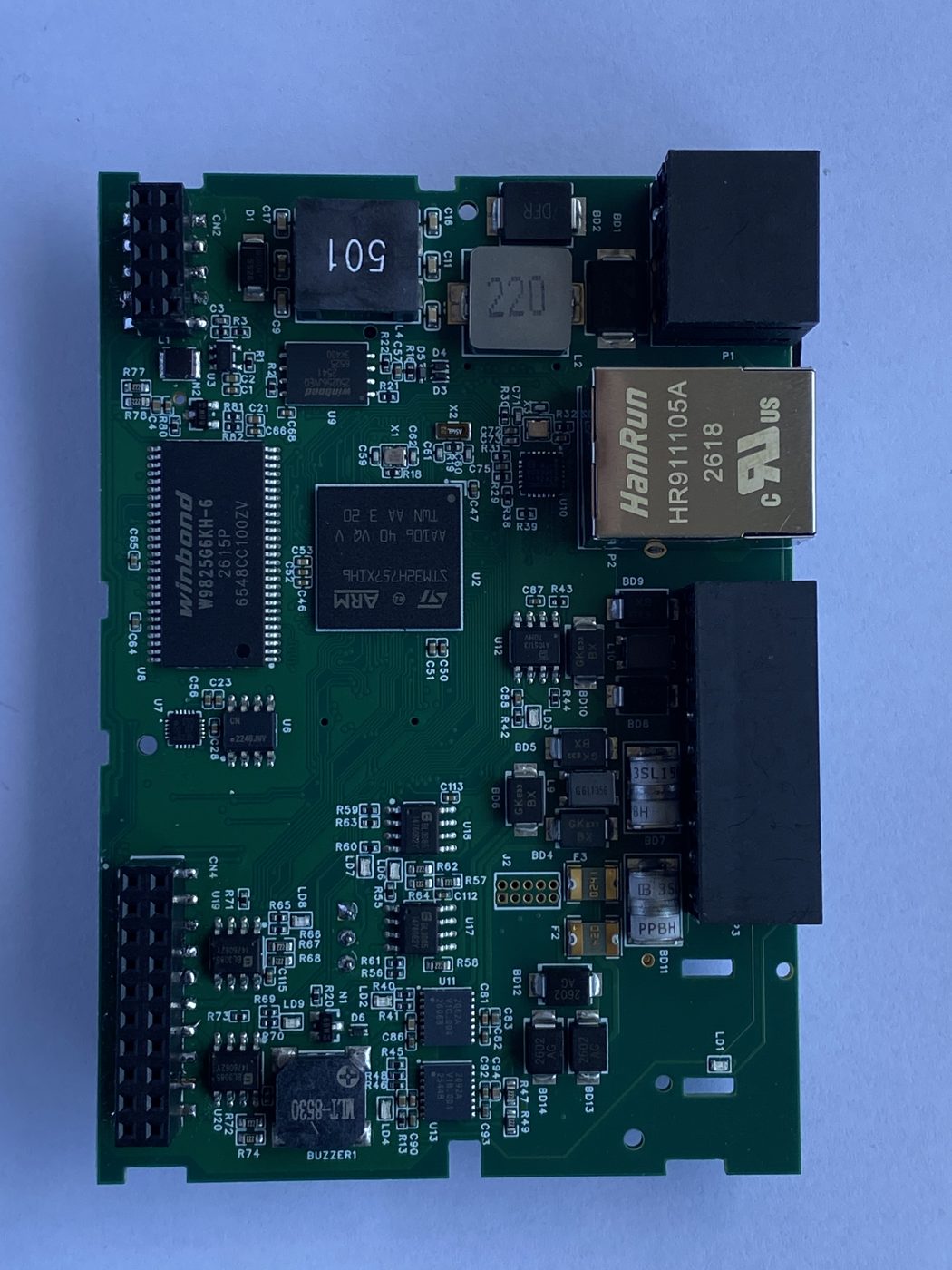
The Industry 757 main board: Ethernet, six RS-485 ports, isolated CAN, secure element.
Every controller ships cloud-ready: real-time dashboards, remote control and fleet firmware management — or point it at your own MQTT infrastructure (AWS IoT verified, with an on-board identity you own).
Self-describing devices. Add a module or a third-party Modbus/CAN device and it appears as data points — configuration, not code.
Fleet OTA. Signed firmware, dual-bank swap, trial period with automatic rollback — an update can fail without ever bricking a site.
Your cloud or ours. Per-device certificates and a configurable trust anchor: generate your own device identity in the secure element and connect to your own AWS IoT account — no dependency on us.
Hardware is moving fast: first boards are on the bench running real sites' firmware. Leave an email and we'll write when there is something worth your time — availability, engineering notes, no noise.
No marketing chains, no sharing. One-click unsubscribe in every mail.